
Christopher Judge Says God of War Remake Trilogy Could Bring Back Original Romance Mini-Games
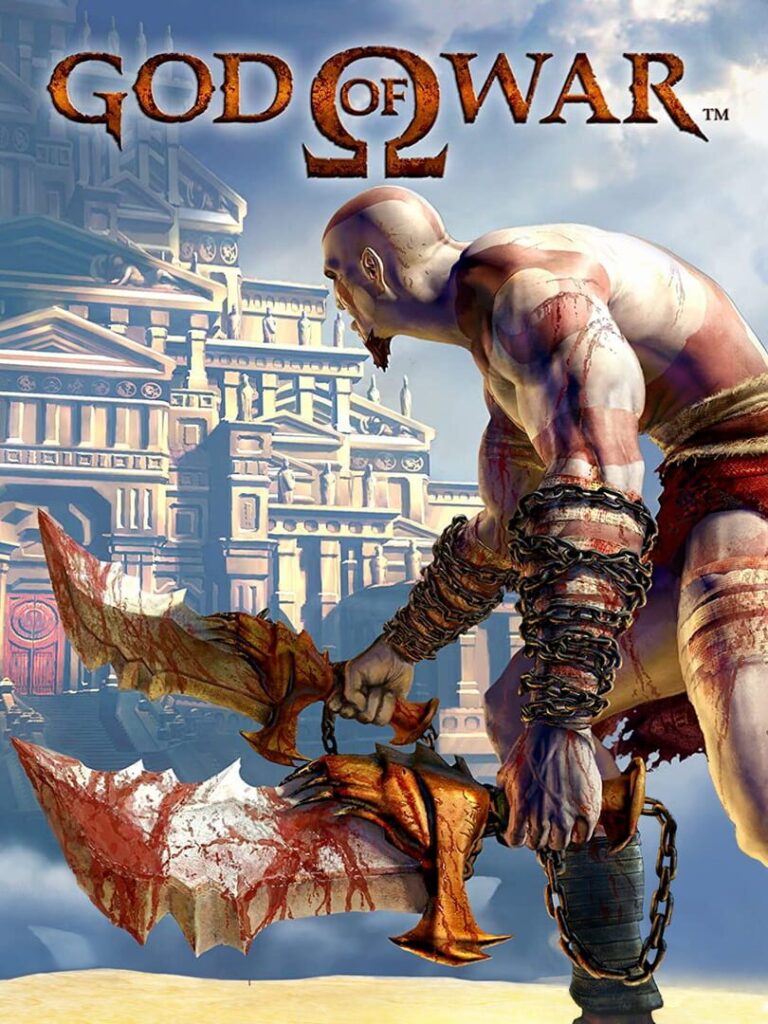
Christopher Judge, the voice actor behind Kratos in the modern God of War games, has suggested that the upcoming God of War Remake Trilogy could revive the romance mini-games that featured prominently in the original trilogy. The comments have reignited discussion about what the remakes will preserve, update, or remove from the classic games.
What Christopher Judge Said
Judge, who voices Kratos in God of War (2018) and God of War Ragnarök, spoke publicly about the possibility of the romance mini-games returning in the context of the announced remake trilogy covering the original three games. His comments were framed around the idea that these elements were a major part of the original trilogy’s identity — and that questions about their return have persisted since the remakes were first discussed.
Judge’s suggestion doesn’t constitute official confirmation from Sony Interactive Entertainment or Santa Monica Studio. He is the franchise’s current voice of Kratos but is not a creative lead on the remake project. His comments are best understood as an informed perspective from someone inside the franchise, not an announcement.
What the Original Mini-Games Were
The God of War series from 2005 to 2010 featured explicit romance mini-games in which Kratos would sleep with various women, triggering button-prompt sequences. They were controversial at the time, largely celebrated by the teenage male demographic the games were marketed toward. A key piece of context that has re-entered the conversation: the Aphrodite sequence in God of War 3 was designed by women at Santa Monica Studio — as a former Sony Santa Monica writer noted in a March 2026 piece — which adds complexity to the question of whether these sequences should be treated as purely problematic relics. The content has aged awkwardly given the broader conversation about representation in games since 2010.
Their removal from the modern God of War continuity — which reimagined Kratos as a father figure navigating grief and responsibility — was appropriate to that narrative shift. The question now is what Santa Monica Studio considers faithful to the original games versus what it considers revision worth making.
The Remake Trilogy’s Design Challenge
Remaking the original God of War trilogy is a more complicated creative proposition than it might initially appear. The games were designed around a specific tone — operatic, brutal, deliberately over the top — that the modern entries deliberately departed from. A faithful remake preserves that tone, including the elements that don’t survive contemporary scrutiny. A revisionist remake updates the content to match current standards, which raises questions about what counts as preservation.
Santa Monica Studio has not made detailed public statements about the creative direction of the remakes. The women-designed argument reframes the decision somewhat — removing the sequences is not the simple cultural correction it initially appeared to be. The romance mini-games question will eventually need an answer, and Christopher Judge has put it back in the conversation. Sony’s current strategy of investing in premium PS5-exclusive experiences suggests the platform holder is serious about the remake’s production values.
What SEA Players Are Watching For
God of War has a strong multiplatform fanbase across Southeast Asia, with both the original trilogy and the modern entries having significant play numbers on PlayStation. The Remake Trilogy represents one of Sony’s major upcoming legacy projects, and SEA PlayStation users will be closely watching for any announcements about release timing, pricing, and what the remakes will actually contain.
PlayStation Store dynamic pricing has already changed how SEA players approach purchases on Sony’s platform, and the God of War Remake Trilogy will be among the first major releases to arrive in that new pricing environment. For players who played the originals and have complicated feelings about revisiting them in 2026, the way Sony has handled other franchise revivals — like bringing Death Stranding 2 to PC — will inform their expectations for the creative choices the remakes make.