
Mike Ybarra Tells Crimson Desert Devs to “Man Up” on AI — Coming From the Guy Running a Gambling Company
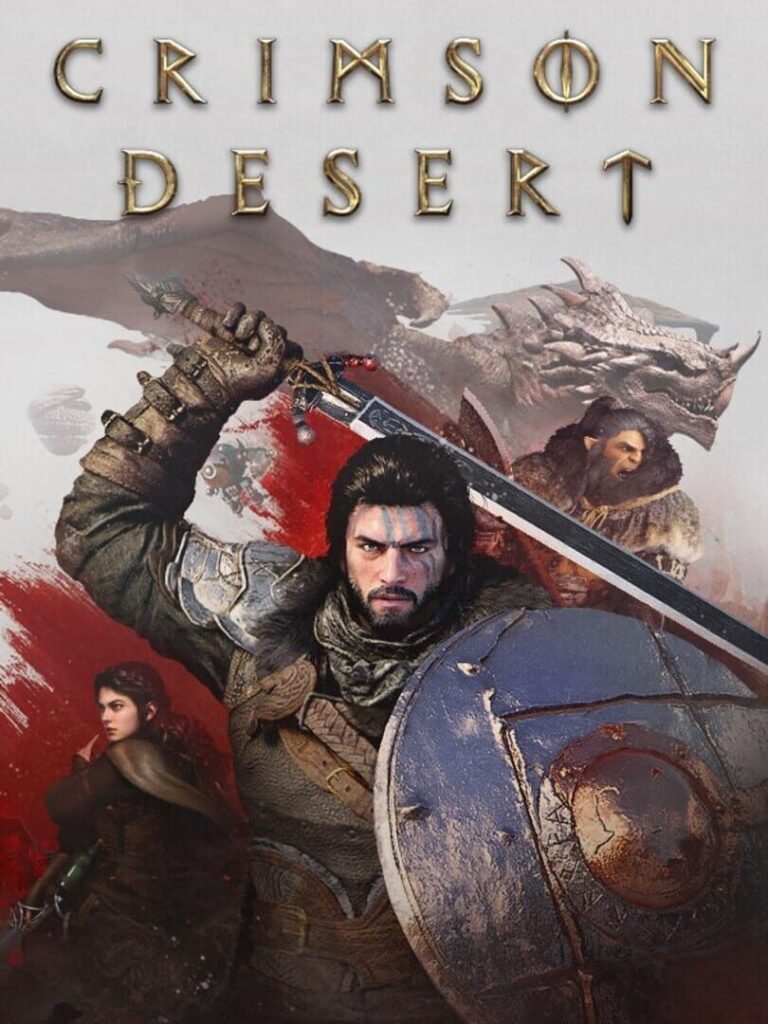
Mike Ybarra, the former president of Blizzard Entertainment who now runs PrizePicks — a fantasy sports betting company — has told Pearl Abyss developers to “man up” after they apologised for including undisclosed AI-generated art in Crimson Desert. Ybarra posted the comment publicly on X on March 22, 2026, responding directly to Pearl Abyss’s apology statement.
His exact words: “Why apologize? AI, in one form or another, will be in every single video game. I don’t get why devs feel the need to bend over for the few folks who can’t accept the reality that AI will be in every single thing — from video games to your fridge (it already is). Man up.”
What Ybarra Said — and What He Omitted
Ybarra did not engage with the specific concern raised by players and developers: that Pearl Abyss shipped Crimson Desert without disclosing AI-generated assets, in breach of Steam’s terms of service. Pearl Abyss issued an apology acknowledging the undisclosed use of generative AI in “early-stage” parts of the game, confirmed some of those assets made it into the public build “unintentionally,” and updated Crimson Desert’s Steam page to add an AI-generated content disclosure after the fact. The studio also announced a “comprehensive audit” of remaining assets.
Ybarra’s framing — that developers should accept AI’s inevitability and stop apologising — skips over the disclosure question entirely. The community pushback was not primarily about AI existing in games; it was about the lack of transparency.
The “Man Up” Framing
The choice of language reinforced the reception. Rather than engaging with the substance of the disclosure complaint, Ybarra dismissed the pushback as weak character. Pirate Software, a streamer and former Blizzard developer, described the response as “peak CEO disconnect.” One widely shared reply read: “I’m so glad you’re not ruining Blizzard anymore.”
Who Is Mike Ybarra Now
Ybarra spent nearly 20 years at Microsoft and Xbox before joining Blizzard in 2019 and becoming co-president in 2021. He left in early 2024 following layoffs that cut approximately 1,900 staff as part of Microsoft’s post-Activision acquisition restructuring. He now serves as CEO of PrizePicks, a fantasy sports platform.
He has no current role in game development and no stake in how AI affects artist employment, asset pipeline quality, or shipping standards at any studio. His comments were offered as an outside observer with no accountability to any of the outcomes.
The Irony the SEA Gaming Community Has Already Clocked
Crimson Desert launched on March 19, 2026 to a mixed reception — an OpenCritic average of 80/100, but nearly 5,000 negative Steam reviews in under 12 hours at launch. The game has since sold over 3 million copies, but the AI art controversy landed just days after release, adding to community scrutiny of the title.
For players in Malaysia, Indonesia, Singapore, and across the region who are already invested in Crimson Desert’s development, Ybarra’s comments register as an external distraction. Pearl Abyss is a Korean studio; Crimson Desert has a strong regional following in Southeast Asia. When a former American executive with no current industry role walks into that conversation to tell the studio and its critics to toughen up, the response from the SEA gaming community has been pointed: it is easy to dismiss artist concerns about automation when you are not the one bearing the risk.
The real question — whether AI-generated art will appear in Crimson Desert’s final release — is one only Pearl Abyss can answer. The studio’s comprehensive audit is ongoing.
What This Means for the Broader AI in Games Debate
Ybarra’s “man up” take is not the first of its kind. Several major games have faced AI art backlash in recent months, including Call of Duty: Black Ops 7, EA Sports FC 26, and Clair Obscur: Expedition 33. In all cases, studios faced player pressure; in most cases, the AI content was patched out.
The substantive debate — covering disclosure obligations, artist contracts, and quality standards for AI-generated assets — does not advance because a former executive offered a dismissive post on X. What the industry is actually working through is whether Steam’s disclosure requirements will be enforced consistently, and whether players have a right to know when generative AI appears in the product they purchased.
Pearl Abyss has answered that question for itself: they said yes, apologised for not doing it at launch, and are now auditing what remains. Ybarra disagrees with that position. He runs a betting platform.
Source: Kotaku — https://kotaku.com/crimson-desert-ai-blizzard-mike-ybarra-2000681007