
Saros Preview: Housemarque’s Returnal Follow-Up Is Shorter, Smarter, and Coming April 30
Saros, Housemarque’s follow-up to Returnal, launches on PlayStation 5 on April 30, 2026 — and a three-hour preview suggests the studio has directly addressed the friction points that kept players from finishing its predecessor.
What Housemarque Fixed From Returnal
Returnal’s single save slot and lack of mid-run saving were its most-criticised design decisions. Saros launches with auto-save and multiple save slots. That alone removes the biggest barrier for players who couldn’t commit to marathon sessions.
Two additional QoL additions:
- Biome teleportation — players can warp directly to any unlocked area, skipping cleared zones
- Carcosan Modifiers — a difficulty adjustment system similar to Hades’ Pacts of Punishment, letting players tune challenge up or down
Runs are also structurally shorter. Most complete in under 30 minutes, many around 20. Returnal’s runs could stretch past an hour. The shorter loop changes the risk calculus for each attempt.
The Setting and Story Setup
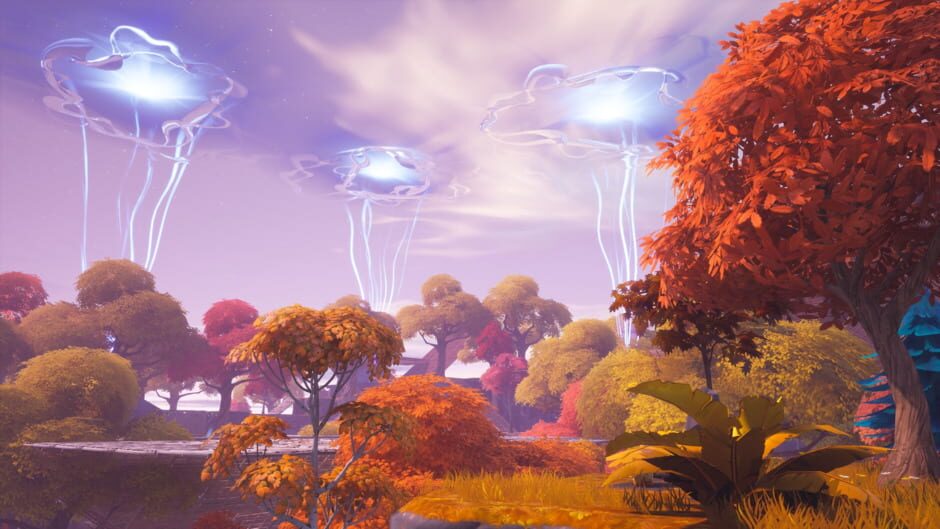
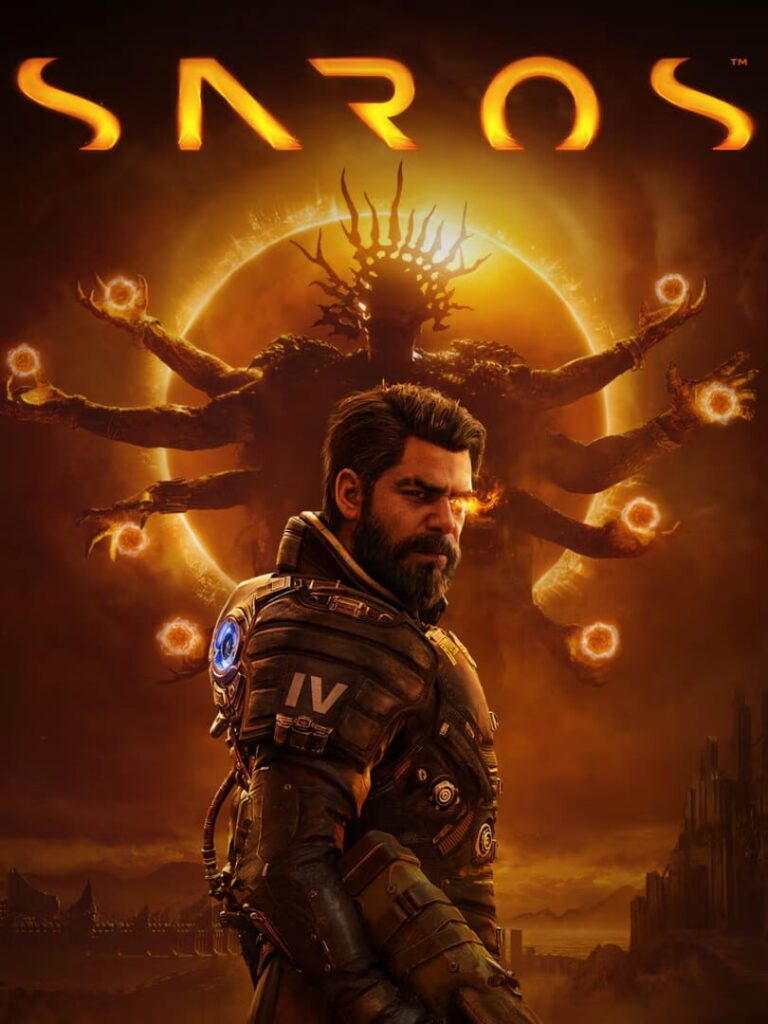
The game is set on Carcosa, an alien planet being strip-mined by mega-corporation Soltari for a resource called Lucenite. The player character is Arjun Devraj, a member of the Echelon IV crew.
The title “Saros” refers to an 18-year cyclical gap between solar eclipses — and eclipses are central to how the game progresses.
Creative director: Gregory Louden. Lead narrative: William Shaughnessy. Associate design director: Mitja Roskaric.
Voice cast includes Rahul Kohli as Arjun, and Jane Perry, who was also in Returnal.
Artistic inspirations cited by the team: Claire Denis’ High Life, Andrei Tarkovsky’s Solaris. Architecture draws from Italian futurism.
Core Mechanics
The Soltari Shield and Colour-Coded Combat
The key defensive mechanic: the Soltari shield absorbs blue enemy projectiles and charges a returnable missile. Colour-reading enemy attacks becomes a core skill.
The Eclipse Mechanic
Players can trigger a solar eclipse to advance the run. Enemy patterns shift, corrupted yellow projectiles are added, and pickups offer greater rewards with stat penalties. It’s a risk-reward toggle layered over the standard roguelike structure.
Weapons
Three weapon types at preview: heavy pistol, assault rifle, shotgun. Each run randomises alternate fire modes. Soft lock-on is the default with a manual aim option available for increased damage.
Permanent Progression
Lucenite carries between runs and funds permanent upgrades — second-chance revives, weapon base-level boosts, and others.
The First Boss
The preview reached “The Prophet” — a plant-like boss requiring players to destroy glowing growths. No further boss details were disclosed from the preview.
Hub Area
The Passage serves as the between-run hub. NPC dialogue is mostly optional — the studio appears to have avoided front-loading mandatory story exposition.
Returnal vs Saros: Key Design Changes
| Feature | Returnal (2021) | Saros (2026) |
|---|---|---|
| Save system | Single save, no mid-run save | Auto-save + multiple save slots |
| Run length | 45–90 minutes | 20–30 minutes |
| Area navigation | Linear, cleared zones replay | Biome teleportation to any unlocked area |
| Difficulty modifier | None | Carcosan Modifiers (Hades-style) |
| Permanent progression | Limited | Lucenite upgrades across runs |
| Release | PS5 exclusive | PS5 exclusive |
The Verdict on the Preview
Housemarque is tightening what Returnal established rather than rebuilding it. Shorter runs, save flexibility, and a visible difficulty modifier address the three most common reasons players bounced off Returnal. The eclipse mechanic adds genuine strategic depth that wasn’t in the preview material for the first game.
April 30 is the release date. PS5 exclusive. No PC or other platform announced.
Preview by Simon Cardy, IGN — March 2026. Read the full IGN preview.