
Raven Software Cofounder Brian Raffel Retires After 36 Years
Brian Raffel, the cofounder of Raven Software, is retiring after 36 years — and the announcement has people remembering that Raven once made some of the most interesting shooters and action games on PC.
Raffel directed Black Crypt, the studio’s first game, when Raven was founded in 1990. He was there for every phase of the studio’s history: the id Software years, the Activision acquisition, and the long pivot toward Call of Duty support work. Now he’s out.
Brian Raffel’s 36-Year Run at Raven Software
Raven Software was founded in 1990 by Brian Raffel and his brother Ben Raffel in Madison, Wisconsin. Black Crypt, a dungeon crawler released in 1992 for the Amiga, was the studio’s first game — and Brian Raffel directed it.
The studio’s breakthrough came when id Software licensed its technology to Raven, leading to a string of first-person shooters that PC players of a certain age still talk about. Heretic (1994) and Hexen: Beyond Heretic (1995) used modified versions of the Doom and Quake engines and added melee combat and an inventory system that felt genuinely new at the time.
From id Engine Games to Jedi Knight
The id Software relationship produced some of Raven’s best work. Soldier of Fortune (2000) was controversial for its gore system — the GHOUL engine that modelled localised damage on enemies — but it was technically impressive and mechanically solid for the era.
Jedi Knight II: Jedi Outcast (2002) and Jedi Knight: Jedi Academy (2003), both built on the Quake III Arena engine for LucasArts, remain high points for Star Wars games on PC. The lightsaber combat system in Jedi Outcast in particular holds up as one of the better implementations of melee in an FPS framework. Quake 4 (2005) followed, again using id’s engine as a base.
Singularity (2010) was the last original property Raven shipped before the Call of Duty era fully consumed the studio.
Raven Software’s Legacy Before Call of Duty
Activision acquired Raven Software in 1997. For over a decade, the studio maintained creative independence — producing original titles, working on Wolfenstein entries, and continuing to ship PC-focused shooters with a distinct identity.
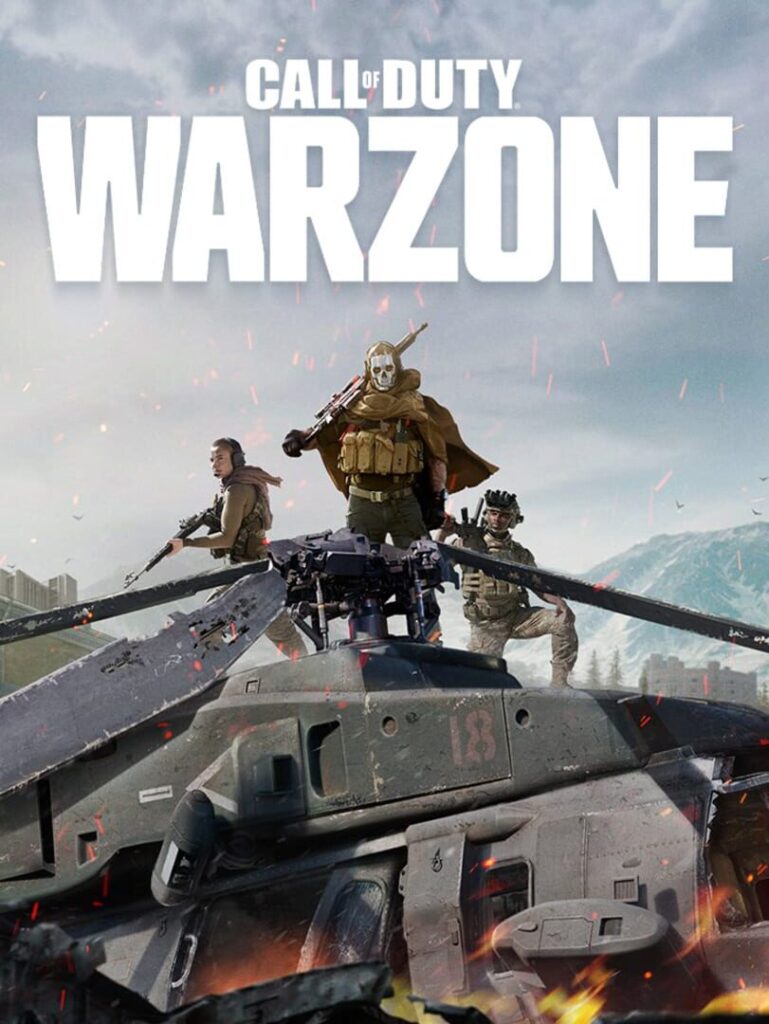
That changed gradually as the Call of Duty franchise grew into the biggest entertainment property in games. By the mid-2010s, Raven had transitioned into a support studio, contributing to the mainline CoD series. When Call of Duty: Warzone launched in March 2020, Raven became one of the primary development teams behind it — handling updates, balancing, and seasonal content for a game that peaked at over 100 million registered players.
The studio’s QA team made headlines in 2021 and 2022 during a unionisation drive — the first successful union vote at a major US game studio — which eventually resulted in recognition after a prolonged process involving Activision Blizzard. The games industry has continued to see significant studio restructurings and layoffs across 2025 and 2026.
What Raffel’s Exit Means for Raven Going Forward
Brian Raffel’s retirement marks the end of any direct founding-era presence at Raven. Ben Raffel departed years earlier. The studio that shipped Black Crypt, Heretic, and Jedi Outcast now functions primarily as a Call of Duty support team under Microsoft following the Activision Blizzard acquisition that closed in October 2023.
Whether that shift is permanent is the question the community keeps asking. The Xbox Summer Showcase returned with a Gears of War: E-Day deep dive — the kind of original IP investment that the Raven community would like to see directed their way someday. Raven has the technical experience and the developer talent — the studio’s CoD work is not nothing, and Warzone at scale is a genuinely complex product to maintain. But the gap between Singularity in 2010 and today is long enough that an original Raven title now feels like a different era entirely.
Raffel’s departure doesn’t change Raven’s direction on its own. But it closes a chapter. For anyone who ran through Heretic on DOS or finished Jedi Outcast on a mid-range tower in 2002, that chapter was worth remembering.
Source: Kotaku