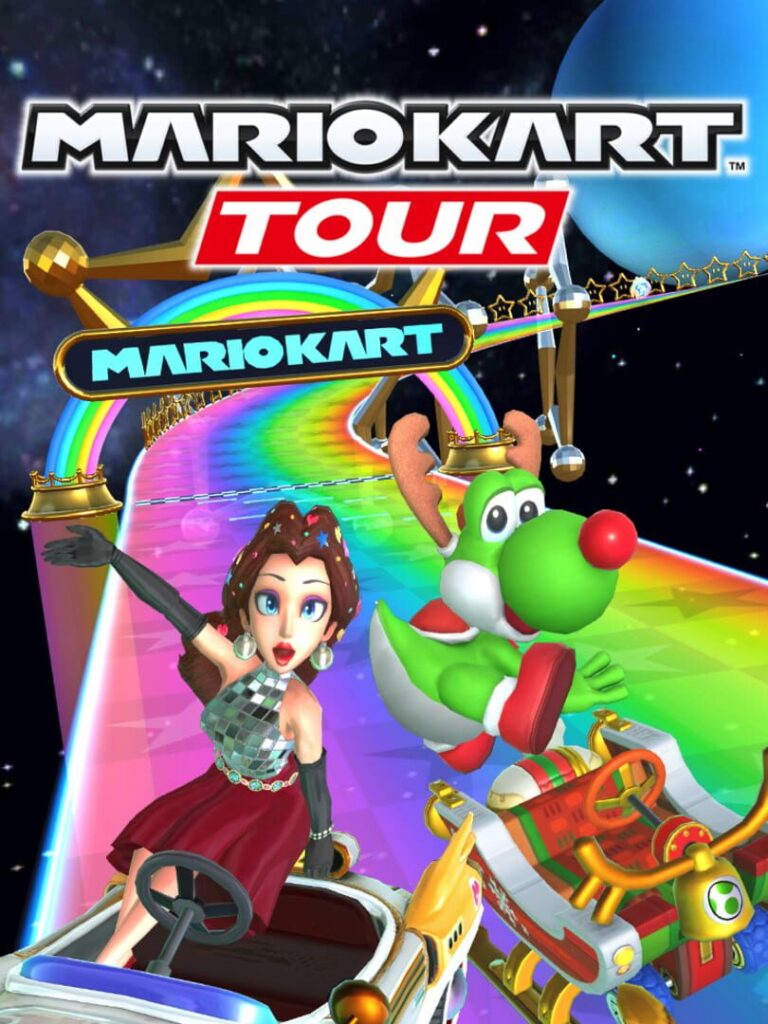

Nintendo’s Mario Kart Tour earned an 18+ adult rating in Brazil on 19 March 2026 after ClassInd — Brazil’s Classificação Indicativa rating body — reclassified its Pipe gacha mechanic as gambling-adjacent content. The reclassification arrives as PEGI separately announced sweeping new rating categories for paid random items, set to take effect June 2026, creating a regulatory split with North America’s ESRB that is growing harder to bridge.
The mobile kart racer, which launched globally in September 2019 and has surpassed 200 million downloads, uses a mechanic called the Pipe: players spend Rubies — an in-game currency purchasable with real money — to receive randomised drivers, karts, and gliders with hidden probability rates. It is gacha by any other name. Brazil’s ClassInd has now decided that is enough to push the game into adult territory.
The Pipe Mechanic That Triggered a Rating Rethink
Nintendo’s Pipe system works like most mobile gacha pulls. You spend Rubies, the pipe animates, you receive a randomised item from the current spotlight rotation. Higher-rarity items appear at lower percentage rates — rates that Nintendo discloses but that are not visible before you commit your currency. That randomised spend structure, with real money attached to unpredictable outcomes, is what ClassInd classified as gambling-adjacent content in its March 2026 review.
How Brazil’s Rating Changed
ClassInd — Brazil’s Classificação Indicativa — raised Mario Kart Tour from a lower rating to 18+ as part of a broader enforcement push targeting games that market to younger audiences while offering paid random-item mechanics. Nintendo has not issued a public statement about the reclassification or confirmed whether it will modify the Pipe mechanic to recover the prior rating. On the US App Store, the game retains its 4+ rating.
The classification is comparable in effect to an ESRB Mature rating in Brazil — the highest tier available — despite the game containing no violent or sexual content. The sole trigger is monetisation structure.
| Territory | Rating Body | Current Rating | Reason |
|---|---|---|---|
| Brazil | ClassInd | 18+ (March 2026) | Paid random items / gambling mechanics |
| Belgium | AFMPS | Banned (2019) | Paid loot boxes prohibited outright |
| Europe (PEGI) | PEGI | Not yet reclassified | New categories effective June 2026 |
| United States / Canada | ESRB | E for Everyone / 4+ | Content-only rating approach |
The ESRB’s Different Reading
The Entertainment Software Rating Board, which handles age classifications in the United States and Canada, has not followed this approach. An ESRB representative told The Game Business: “ESRB’s age and content rating are based on the content of a game and the context in which it is presented to the player. It could be confusing if non-content-related features influence rating category assignments. As such, there are currently no plans for ESRB to allow any factors outside of the content and context of a game to influence the age rating assignment.”
This stance now sits in direct opposition to the regulatory trajectory in Brazil and Europe, creating an increasingly awkward split in how the same game is classified depending on which side of the Pacific you open the App Store.
PEGI’s Upcoming Overhaul
PEGI has announced four new rating descriptors taking effect in June 2026 — but has confirmed it will not retroactively reclassify already-released games. The four new categories are: In-app purchases, Paid random items, Play by appointment, and Online community. Live-service titles undergoing content updates could face scrutiny under the new system.
PEGI director Dirk Bosmans explained the rationale: “This is, in terms of scope, quantitatively speaking, probably the most significant update we’ve had in our history. We noticed that our initial narrative of how these things can be approached clearly isn’t enough any more, so more needed to be done.”
The practical effect: Mario Kart Tour has not been reclassified by PEGI. Whether its Pipe mechanic triggers a “Paid random items” descriptor when the new framework applies to live-service reviews remains to be seen.
What This Means for Mobile Players in Southeast Asia
The practical effect of an 18+ rating depends heavily on platform enforcement. Apple’s App Store and Google Play can restrict app visibility and downloads by age-gated accounts — but enforcement in most SEA markets is inconsistent, and self-reported age at account creation is rarely verified.
That said, the regulatory pressure emerging from Brazil and Europe does have a direction of travel that matters for SEA. Thailand’s NBTC, Indonesia’s Kominfo, and Malaysia’s MCMC have each reviewed mobile gaming monetisation practices in recent years, though none has issued binding classification rules for paid random items as of March 2026.
Mario Kart Tour is free to download on iOS and Android. In-app purchases are available — pricing varies by region.
The Bigger Picture: Gacha Under Regulatory Scrutiny
This is not the first time Nintendo has faced scrutiny over Mario Kart Tour’s monetisation. In 2019, the Netherlands Authority for the Financial Markets examined the Pipe system, and Belgium — which banned paid loot boxes outright in 2018 — removed the title from its stores. Nintendo adjusted the game’s availability in Belgium at that time and the game has not returned.
What is new in 2026 is ClassInd’s formal reclassification in Brazil and PEGI’s announced category expansion, suggesting regulators are moving from informal pressure to codified classification standards. The ESRB’s continued resistance makes North America the clear outlier.
What Comes Next
The most immediate question is whether Nintendo responds to Brazil’s 18+ classification by modifying the Pipe mechanic, removing it in that market, or accepting the rating and any associated platform restrictions. Nintendo had not issued a public statement as of 22 March 2026.
For mobile players, this story extends well beyond Mario Kart Tour. The same logic that triggered Brazil’s reclassification applies to nearly every free-to-play mobile title using paid random-item pulls. If SEA regulators begin formalising similar standards — or if PEGI’s June 2026 framework sets a precedent that other bodies follow — the downstream impact on titles like Mobile Legends: Bang Bang, Genshin Impact, and Free Fire operating in this region could be significant.
Source: Kotaku