
Crystal Dynamics, the studio behind the Tomb Raider franchise, has conducted a fourth round of layoffs within a twelve-month period, according to a report published by Kotaku on 19 March 2026. The studio confirmed the cuts. No headcount figure has been formally disclosed, and Crystal Dynamics has not specified which teams or projects are affected.
Four rounds of layoffs in twelve months is not a restructuring. It is a studio under sustained pressure.
What We Know About This Round
Crystal Dynamics confirmed the layoffs to Kotaku without releasing specific numbers. The report describes the cuts as impacting “multiple departments,” which suggests this is not a single-team closure but a broader reduction. Previous rounds — the first three within the past year — were similarly described in general terms, with the studio citing Embracer Group’s portfolio restructuring as the broader context.
Embracer Group, the Swedish holding company that owns Crystal Dynamics through its Eidos acquisition, has been reorganising its portfolio since mid-2023 following the collapse of its reported USD 2 billion deal with Savvy Games Group. That deal’s failure triggered a cascade of studio closures, layoffs, and project cancellations across Embracer’s extensive holdings.
Crystal Dynamics fits into that cascade. The studio was acquired by Embracer as part of the broader purchase of Eidos Interactive from Square Enix in 2022 — a deal that valued the combined catalogue at USD 300 million. The Tomb Raider IP, including Lara Croft’s full rights, came with it.
The Remastered Series and What Follows
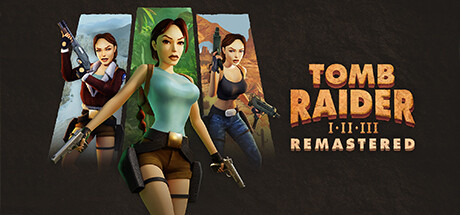
Crystal Dynamics released the Tomb Raider I-III Remastered Starring Lara Croft collection in early 2024, and the IV-VI collection later that year, to positive reception. Both collections sold well by the standards of legacy remaster packages. They were not, however, the kind of commercial event that offsets four rounds of layoffs.
The studio’s next original Tomb Raider game has not been announced with a release date. Development is understood to be ongoing, but no public timeline has been provided. Given the repeated staff reductions over the past year, questions about project continuity are legitimate even if no official response addresses them directly.
What This Means for the Franchise
Tomb Raider is one of the oldest and most globally recognised game franchises still in active production. The Lara Croft character has been through multiple complete reimaginings since her 1996 debut — from the angular polygon original to the mid-2000s action-adventure reinvention to the 2013 survival-focused reboot trilogy that significantly expanded the franchise’s audience.
Each of those reinventions required sustained studio investment. A studio experiencing four rounds of layoffs in twelve months is not a studio positioned for the kind of creative risk that a full franchise reimagining demands.
That said, Crystal Dynamics is not closed. The Tomb Raider IP has not changed hands. The franchise retains genuine commercial value — the remaster collections demonstrated continued audience interest, and Amazon Prime has an active Tomb Raider animated series in production. The IP ecosystem is not collapsing.
What the Industry Pattern Looks Like
Crystal Dynamics is not alone. The past eighteen months in the games industry have included studio closures and layoff announcements from Embracer, Microsoft, EA, Sony, and a range of mid-tier publishers. The pattern reflects a correction after unsustainable growth during the COVID gaming boom, compounded for Embracer specifically by the failed funding deal.
Understanding Crystal Dynamics’ situation in this broader context matters because the instinct to assign blame to one studio or one decision misses how interconnected these outcomes are. The fourth round of layoffs at Crystal Dynamics is a consequence of Embracer’s macro-level financial position as much as anything specific to Tomb Raider’s commercial performance.
What Comes Next
The affected employees have not been named publicly — Crystal Dynamics has not provided a staff list, and the Kotaku report does not identify individuals beyond confirming the cuts occurred. Industry practice following layoffs typically includes a period where affected team members update their LinkedIn profiles and announce their status publicly on their own timelines.
For the franchise: Tomb Raider’s next chapter depends on what development capacity remains at Crystal Dynamics after four rounds of reductions, and on whether Embracer Group’s ongoing restructuring stabilises to a point where sustained creative investment becomes possible again. Neither of those conditions is resolved today.
The studio has survived its previous rounds. That persistence matters. But at some point, the question of whether a studio reduced this many times in this short a period can still produce the work it was meant to produce becomes one that only time can answer.