
Pokémon FireRed and LeafGreen Were Designed for Girls and Elderly Players, Dev Says
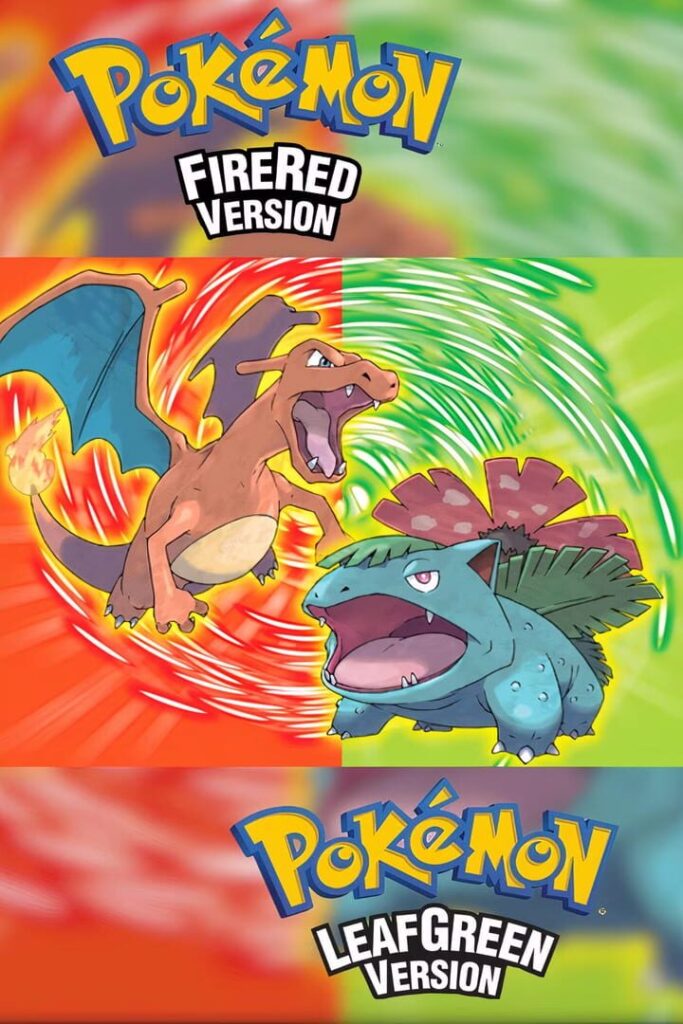
A surfaced developer interview reveals that Pokémon FireRed and LeafGreen were deliberately designed with female players and elderly players as a core target audience — not an afterthought. The revelation is being widely shared in Pokémon communities and reframes how one of the Game Boy Advance era’s most beloved remakes was conceptualised at Game Freak.
For a franchise that has always prioritised accessibility over difficulty, FireRed and LeafGreen were apparently a deliberate statement about who gets to play Pokémon.
What the Developer Said
A member of the Game Freak development team, speaking in the interview that has been circulating, described the design intention behind FireRed and LeafGreen as centred on players who might find standard RPG mechanics unfamiliar or intimidating. The specific mention of female players and elderly players is the detail that has captured the most attention.
FireRed and LeafGreen launched on Game Boy Advance in 2004 in Japan, with international releases following later that year. They were remakes of the original Pokémon Red and Green (known internationally as Red and Blue).
How the Design Philosophy Manifested
The accessibility-first approach visible in the final game includes the expanded Sevii Islands post-game content — which gave less experienced players a gentler difficulty curve and more story content — and more explicit tutorials than was typical for Game Freak titles of the era. The interface was also refined for clarity on the small Game Boy Advance screen.
These were design decisions, not accidents. The interview confirms they were made with the specific player audience in mind.
Game Freak’s Accessibility History
This is consistent with how Game Freak has always approached Pokémon. The original Red and Blue were designed to be completable by children with minimal gaming experience. Pokémon GO (Niantic, 2016) brought the franchise to mobile and non-traditional players at scale. Pokémon Legends: Arceus (2022) added difficulty-assist systems. FireRed and LeafGreen sit within a long thread of the same philosophy.
Why This Story Resonates in 2026
A developer interview from 2004 is surfacing in 2026 because the games industry is actively wrestling with questions about who games are made for and how design choices encode assumptions about the player.
FireRed and LeafGreen sold approximately 12 million copies globally, according to historical Nintendo sales records. They were commercially successful and critically well-received. The “accessible to girls and elderly players” design intention was not a commercial disadvantage — it was a commercial advantage, because it expanded who the game was for.
The GBA Nostalgia Angle for SEA
Pokémon FireRed and LeafGreen are deeply embedded in the gaming nostalgia of Southeast Asian players who grew up in the Game Boy Advance era. The games are available through Nintendo Switch Online for current subscribers — they can be played today on Nintendo Switch hardware.
For speedrunners: the FireRed glitch discovered in late 2025 that affects runs on Nintendo Switch Online is a separate story but one that demonstrates the game’s ongoing competitive relevance.
What Comes Next
This is historical context, not a new announcement. The impact of the interview is in how it colours our reading of a classic game — and the design lessons it offers for studios thinking about audience inclusivity as a design principle rather than a marketing afterthought. The Pokémon franchise continues to expand — Pokémon Champions is confirmed to eventually support up to 10,000 Pokémon in its roster, reflecting the same commitment to breadth and inclusivity that defined these GBA remakes.
Source: Game Freak developer interview on Pokémon FireRed and LeafGreen